
gambling
Master the thrilling game: advantageous poker psychology in casinos
Understanding Player Tells in Poker
Poker psychology is a deep well of understanding human behavior, and a key aspect of this is recognizing and interpreting player tells. These are subtle, often unconscious, physical or verbal cues that can reveal the strength of a player’s hand. Observing a player’s eye movements, breathing patterns, or the way they handle their chips can offer invaluable insights into their current state of mind and the cards they hold. Recognizing when a player is trying too hard to appear relaxed, or conversely, showing unexpected nervousness, can be a significant advantage, and you might even find yourself looking for a chicken road game demo while waiting for your turn.
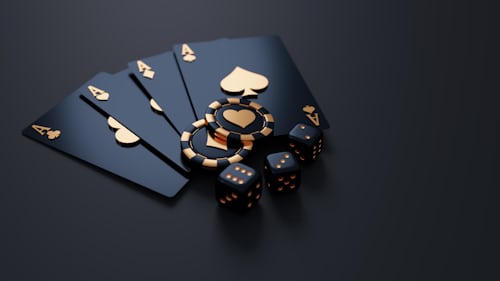
Beyond overt physical tells, there are also betting patterns that act as psychological indicators. A sudden increase in bet size after a period of inactivity, or a hesitant bet on a seemingly strong hand, can all be interpreted through the lens of poker psychology. Mastering the art of observation is crucial, as it allows you to build a mental profile of each player at the table, enhancing your strategic decision-making and improving your chances of success in a casino environment.
The Art of Bluffing and Reading Bluffs
Bluffing is an integral part of poker strategy, heavily reliant on psychological manipulation. A successful bluff involves convincing your opponents that you possess a stronger hand than you actually do. This requires a deep understanding of your opponents’ tendencies and the ability to project confidence and authority, regardless of your cards. Reading bluffs is the flip side of this coin; it involves discerning when an opponent is attempting to deceive you.
Effective bluff reading involves analyzing an opponent’s betting patterns, their previous actions in similar situations, and any subtle tells they might exhibit. A player who suddenly becomes very aggressive after a passive streak, for instance, might be attempting a bluff. Conversely, a player who clams up and avoids eye contact when faced with a significant bet could be holding a monster hand. Developing this dual capability to bluff effectively and to detect bluffs is a cornerstone of advantageous poker psychology.
Managing Tilt and Emotional Control
Emotional control is paramount in poker, and the phenomenon of “tilt” is a primary adversary. Tilt refers to a state of mental or emotional confusion or frustration in which a player adopts a risky, often self-destructive playing style. This can be triggered by bad beats, significant losses, or perceived unfairness in the game. Succumbing to tilt leads to poor decision-making, increased aggression, and ultimately, larger losses.
Developing a strong mental game involves actively working to prevent and manage tilt. This includes recognizing the early signs of emotional distress and having strategies in place to cope. Taking short breaks, practicing mindfulness, or even stepping away from the table entirely are effective methods. A player who can maintain a calm, rational demeanor, even in the face of adversity, possesses a significant psychological edge, allowing them to consistently make sound decisions and capitalize on opportunities presented by their opponents’ emotional fluctuations.
Exploiting Opponent Tendencies
Every poker player has unique tendencies and patterns of play that can be exploited. Some players are overly aggressive, betting and raising frequently, while others are overly cautious, only playing strong hands. Identifying these tendencies allows you to tailor your strategy to their specific weaknesses. For example, against a tight player, a well-timed bluff might be highly effective, while against a loose-aggressive player, a more passive approach with strong hands, letting them bluff into you, can be very profitable.
This psychological warfare extends to understanding how opponents perceive you. If you’ve been playing aggressively, opponents might be more inclined to call your bluffs. If you’ve been playing conservatively, they might give your strong bets more respect. The key is continuous observation and adaptation. By constantly analyzing your opponents’ actions and adjusting your own play accordingly, you can consistently gain a psychological advantage in any casino poker game, making your participation more rewarding.

The Optimal Poker Experience at OnlineCasinoHub
For players looking to hone their poker psychology skills in a dynamic and engaging environment, OnlineCasinoHub offers a premier destination. This platform is dedicated to providing a comprehensive and intuitive experience for [mention core offering, e.g., poker enthusiasts]. Their mission is to empower players by offering [mention key features or benefits, e.g., a wide variety of poker games, robust player analytics, secure and fair gameplay].
By utilizing the resources at OnlineCasinoHub, users can effectively [explain how users benefit, e.g., practice different psychological strategies, observe a diverse range of player behaviors, and refine their bluffing and reading skills]. The platform aims to [state the primary purpose, e.g., foster strategic development and provide a realistic casino simulation]. This makes OnlineCasinoHub an ideal venue for anyone looking to master advantageous poker psychology within a secure and user-friendly online casino setting.
